October 12, 2026
Gutters help direct rainwater away from the roof, siding, foundation, and surrounding landscaping, but they can become less effective when leaves, twigs, pine needles, and other debris collect inside them. Installing a custom gutter guard can help reduce the amount of material entering the system while allowing rainwater to continue flowing through the gutters and downspouts. Because every home has a different roofline, gutter layout, and surrounding environment, professional installation usually involves more than simply attaching a standard cover. Technicians typically inspect the existing system, take measurements, select materials, prepare the gutters, install the protection, and test the completed setup.
Inspecting the Existing Gutter System
The installation process generally begins with a close inspection of the gutters and downspouts already in place. Technicians may look for loose sections, sagging, corrosion, cracks, damaged fasteners, separated joints, or areas where water does not drain properly. These issues can affect how well a new protection system performs, so identifying them before installation is important. The team may also check whether the gutters are properly pitched toward the downspouts and whether the downspouts are clear enough to carry water away from the home.
A professional inspection also helps determine whether the existing gutters are suitable for a custom gutter guard. If sections are badly damaged or improperly secured, repairs may need to be completed before the protective system is installed. Technicians may also consider the roof type, fascia condition, gutter dimensions, and nearby trees when evaluating the property. Taking time to inspect the full system helps prevent a new product from being installed over an underlying problem that could interfere with drainage or shorten the life of the gutters.
Measuring the Gutters for a Custom Fit
After the existing system has been evaluated, technicians typically take detailed measurements. Gutter lengths, corners, roof transitions, downspout locations, and other features can all affect the amount and shape of material required. Unlike a one-size-fits-all product, a custom installation is intended to match the specific layout of the home. Accurate measurements help installers create cleaner connections and avoid gaps where debris could enter.
Measuring also gives the installation team an opportunity to identify unusual sections that may require additional attention. Roof valleys, inside corners, steep slopes, and areas beneath heavy tree coverage can experience greater amounts of runoff or debris. A properly sized gutter guard should work with those conditions rather than interfere with normal water flow. Careful measurements allow the team to plan how individual sections will meet, where adjustments may be necessary, and how the overall system can remain consistent around the home.
Cleaning and Preparing the Gutters
Before new protection is installed, the gutters usually need to be cleaned thoroughly. Leaves, dirt, roof granules, seed pods, small branches, and other accumulated material can obstruct water flow if they are left beneath the new covers. Technicians may remove this debris by hand or with appropriate cleaning tools, depending on the condition of the system. Downspouts may also be checked or cleared so water has an unobstructed path away from the roofline.
Preparation may also involve tightening loose fasteners or correcting minor issues discovered during the inspection. A gutter guard works best when the underlying gutter is stable, aligned, and capable of carrying water properly. Installing covers over a sagging or clogged system would not address the original drainage problem. Starting with a clean and properly prepared gutter allows the new system to function as intended and gives installers a clear surface for fitting and securing each section.
Installing the Guard Sections Securely
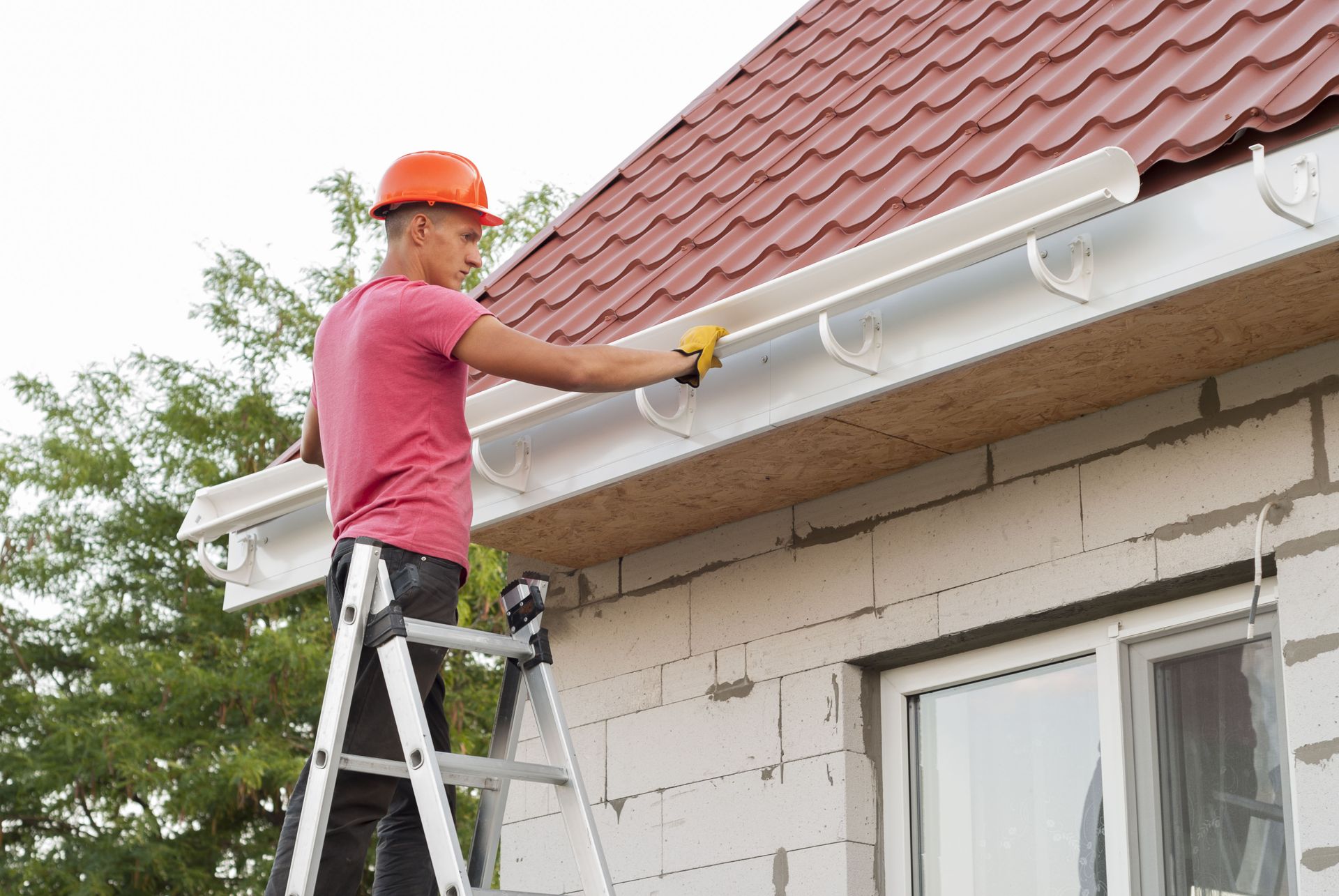
Once the gutters are prepared, the installation team can begin placing the custom sections. The exact method depends on the design of the product and the style of gutter already installed. Some systems attach directly to the gutter, while others may be secured beneath or near the edge of the roofing system. Installers generally work carefully around corners, joints, and downspout areas so each piece fits closely against the next and provides consistent coverage.
Proper fastening is especially important because the system will be exposed to rain, wind, temperature changes, and falling debris. A loose section could shift over time or create an opening where leaves and other materials can enter. Professional installers can trim and position each gutter guard so it follows the shape of the gutter rather than forcing standardized pieces into areas where they do not fit well. Secure installation helps create a cleaner appearance while supporting reliable performance throughout changing weather conditions.
Checking Water Flow and Drainage
After the system has been installed, technicians may inspect the finished work to confirm that water can still move efficiently through the gutters. The purpose of a protective cover is to limit debris without creating a new obstacle for rainfall. Installers may check downspouts, corners, seams, and areas where water naturally concentrates to make sure the system is positioned correctly. Any visible gaps, loose attachments, or alignment concerns can be addressed before the job is considered complete.
Testing can be particularly important around roof valleys because these areas may direct a large amount of water toward a relatively small section of gutter. A properly fitted gutter guard should allow runoff to enter while helping keep larger debris out. Installers can also confirm that the gutters continue to slope in the correct direction and that the added system has not affected their alignment. This final inspection helps verify that both the existing gutters and the newly installed protection are working together as intended.
Reviewing Maintenance and Care Requirements
Although gutter protection can reduce the amount of debris that collects inside the system, it does not necessarily eliminate every maintenance task. Leaves or other materials may occasionally settle on top of the guards, particularly in areas with heavy tree coverage. Homeowners may need to inspect the system periodically and remove surface debris when necessary. The installer can explain what type of maintenance is appropriate for the specific product and how often visual checks should be performed.
According to This Old House, almost 30% of homeowners reported that gutter cleaning was no longer necessary after they had gutter guards installed. Results can still vary depending on the property, surrounding vegetation, weather, and the style of system installed. A custom gutter guard can reduce direct access to the gutter channel, but homeowners should still watch for unusual overflow, standing water, visible damage, or heavy buildup on top of the system.
Understanding the Benefits After Installation
Once installation is complete, homeowners can expect a gutter system that is better protected from many common types of debris. This can reduce the frequency of interior gutter cleaning and help lower the likelihood of clogs caused by leaves, twigs, or similar materials. Fewer obstructions can also support more consistent drainage during storms, helping water move through the gutters and downspouts rather than spilling over the edges in areas where buildup has restricted flow.
A professionally installed gutter guard may also make routine maintenance more manageable because much of the debris remains above the gutter rather than settling inside it. Homeowners should still keep an eye on the roofline, especially after severe weather or during seasons when leaves and seeds are falling heavily. Combining periodic observation with professional installation can help the entire system continue working efficiently. The goal is not to make gutters completely maintenance-free, but to reduce common sources of blockage and make ongoing care simpler.
A custom gutter protection project generally includes much more than attaching covers to the top of an existing system. Installers inspect the gutters, take precise measurements, remove accumulated debris, address minor preparation needs, fit each section, secure the materials, and verify that water can continue draining properly. Homeowners can also receive guidance about future maintenance and signs that may require attention. A well-fitted gutter guard can help limit debris buildup, reduce cleaning demands, and support more consistent water flow throughout the gutter system. By understanding each stage of the installation process, homeowners can feel more prepared for the appointment and better informed about caring for the completed system. If you are considering custom gutter protection for your home, contact Hansen Seamless Gutters, LLC.