September 11, 2026
Maintaining a resilient roof is vital for ensuring long-term structural safety and property value. Experiencing roof distress compromises the home's protective barrier, allowing water infiltration to decay interior framing. Homeowners must remain vigilant, recognizing early warning signs before minor leaks turn into catastrophic structural failures. Scheduling regular inspections and responding quickly to visible defects prevents extensive water damage and costly emergency repairs.
Replacing Damaged Shingles
Missing or broken shingles represent a direct breach in a home's waterproof defense. Observing bare spots on your roof deck after a storm indicates that water can seep directly into the underlying sheathing. Leaving exposed decking unsealed leads to wood rot, compromised insulation, and internal ceiling leaks. Hiring a professional roofing contractor guarantees that matching materials are seamlessly integrated to restore full weather protection.
Addressing Buckling Materials
Curling or buckling shingles indicate severe moisture buildup, poor attic ventilation, or natural material aging. Deformed shingles lose their ability to shed water efficiently, allowing wind-driven rain to bypass the primary protective barrier. Ignoring these distorted materials increases the risk of underlayment decay and widespread mold growth. Consulting an experienced roofing contractor allows homeowners to determine whether targeted repairs or a complete roof replacement is necessary.
Preventing Granule Loss
Finding heavy accumulations of dark granules in gutters or downspouts signals advancing shingle deterioration. Granules protect the underlying asphalt layer from harsh ultraviolet rays and physical weather impacts. When shingles shed their protective granules, they become brittle, crack easily, and lose their fire-resistant qualities. Scheduling a professional evaluation helps determine if protective coatings or material replacements are required to preserve the roof.
Repairing Faulty Flashing
Flashing seals critical roof intersections around chimneys, skylights, vents, and dormers. Weather exposure, thermal expansion, or poor installation can corrode, bend, or detach these metal barriers. Compromised flashing allows water to travel directly into interior wall cavities, creating hidden structural damage. Relying on a roofing contractor ensures that replacement flashing is expertly shaped, sealed, and integrated into existing roof lines.
Correcting Sagging Decks
A warped or sagging roof deck indicates serious underlying structural distress that demands immediate intervention. Excessive moisture intrusion, heavy snow loads, or rotting rafters weaken the timber support framework. Ignoring a visible dip in the roofline increases the risk of localized roof collapse during severe weather events. Working with structural repair experts ensures the roof deck is properly reinforced, re-sheathed, and stabilized.
Tracing Ceiling Stains
Discolored patches on interior ceilings or walls provide definitive proof of active water intrusion. Water entering through damaged roofing materials often travels along rafters and ceiling joists before pooling above drywall. Delaying leak repairs promotes widespread mold spores, ruins insulation, and destroys interior paint finishes. Enlisting a qualified roofing contractor ensures the precise origin of the leak is located and permanently sealed.
Remediating Mold Spores
Detecting mold or mildew along attic sheathing or ceiling corners signals chronic, unaddressed moisture problems. Fungi thrive in damp, poorly ventilated spaces, decomposing wood sheathing and degrading indoor air quality. Spreading mold colonies present serious health risks to household members while weakening structural timber. Engaging professional roofers resolves both the underlying water leak and ventilation deficiencies to prevent recurring mold growth.
Eliminating Musty Odors
A persistent, musty odor emanating from the attic or top-floor rooms indicates hidden water decay. Trapped moisture within insulation and wooden roof trusses fosters decay long before stains appear on drywall. Ignoring foul odors allows rot to spread silently through structural framing members. Prompt professional inspections help locate hidden moisture pockets, clear decaying materials, and restore healthy indoor airflow.
Inspecting Attic Spots
Finding damp spots or dark water rings on attic sheathing points to active roof breaches. Inspecting the attic with a flashlight during heavy rain helps identify trickling water, leaking nails, or saturated insulation. Unchecked attic leaks compromise energy efficiency by ruining thermal insulation and rotting structural rafters. Prompt repairs prevent localized attic leaks from escalating into expensive, whole-home structural restorations.
Evaluating Material Lifespans
Understanding the expected service life of different roofing materials helps homeowners plan timely replacements. According to "This Old House," standard asphalt shingles usually last between 20 and 30 years, however, metal roofs are able to last upwards of 70 years. Operating a roof past its intended lifespan increases vulnerability to sudden material failures and storm damage. Consulting a roofing contractor provides an accurate assessment of remaining service life and replacement options.
Replacing Aging Materials
Aging roofing materials exhibit visible signs of fatigue, including color fading, widespread cracking, and edge curl. Prolonged ultraviolet exposure breaks down asphalt binders, leaving shingles brittle and easily dislodged by wind. Continuing to repair a severely aged roof yields diminishing returns as materials fail across the entire surface. Replacing worn-out materials restores home curb appeal while securing reliable, long-term weather protection.
Assessing Previous Overlays
Evaluating past roof repairs or secondary shingle overlays is essential when assessing overall structural health. Installing new shingles directly over old, damaged layers adds excessive weight and can trap hidden moisture. Overlays often mask rotting sheathing and prevent proper flashing installation, leading to premature system failure. Professional roofers can determine if stripping old layers is necessary to ensure a stable, long-lasting installation.
Adopting Modern Technology
Advancements in roofing technology offer superior durability, improved energy efficiency, and enhanced impact resistance. Modern synthetic underlayments, reflective cool-roof shingles, and ice-water shields outperform traditional building materials. Upgrading to technologically advanced roofing materials reduces long-term maintenance costs and lowers household energy bills. Partnering with an innovative roofing contractor exposes homeowners to modern materials that maximize property value and weather protection.
Identifying Hail Damage
Hailstorms inflict severe, sudden damage on roofing systems by cracking, denting, or dislodging protective materials. High-velocity hail impact strips protective granules, punctures shingle mats, and dents metal flashing components. Unaddressed hail impact spots weaken over time, eventually developing into active leaks during subsequent rainstorms. Scheduling a prompt post-storm inspection ensures hail damage is identified and documented for insurance claims.
Mitigating Wind Damage
Severe wind gusts can lift, tear, or completely strip shingles away from the underlying roof deck. Strong winds create uplift pressure along roof edges and ridges, loosening fasteners and exposing vulnerable sheathing. Missing shingles leave the home exposed to immediate water intrusion during heavy rainstorms. Partnering with a reliable roofing contractor ensures wind-damaged materials are replaced swiftly using high-wind installation standards.
Removing Tree Debris
Falling tree branches and accumulated organic debris pose significant risks to roof longevity and drainage. Heavy limbs can puncture decking, while accumulating leaves and pine needles trap moisture against shingle surfaces. Trapped organic debris fosters moss growth, clogs drainage pathways, and accelerates material decay. Clearing overhanging branches and scheduling routine roof cleaning protects shingles from physical impact and moisture damage.
Unclogging Gutter Systems
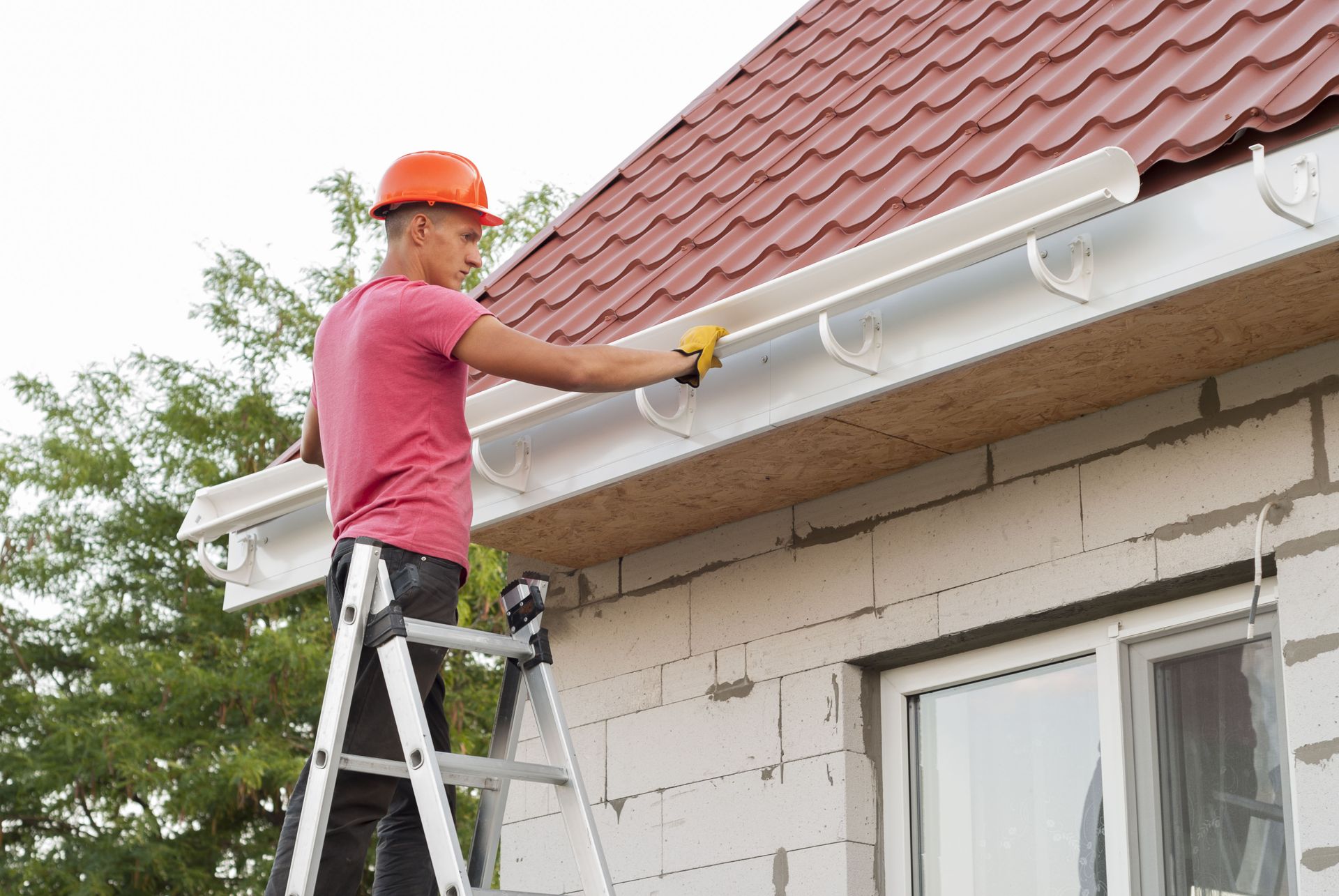
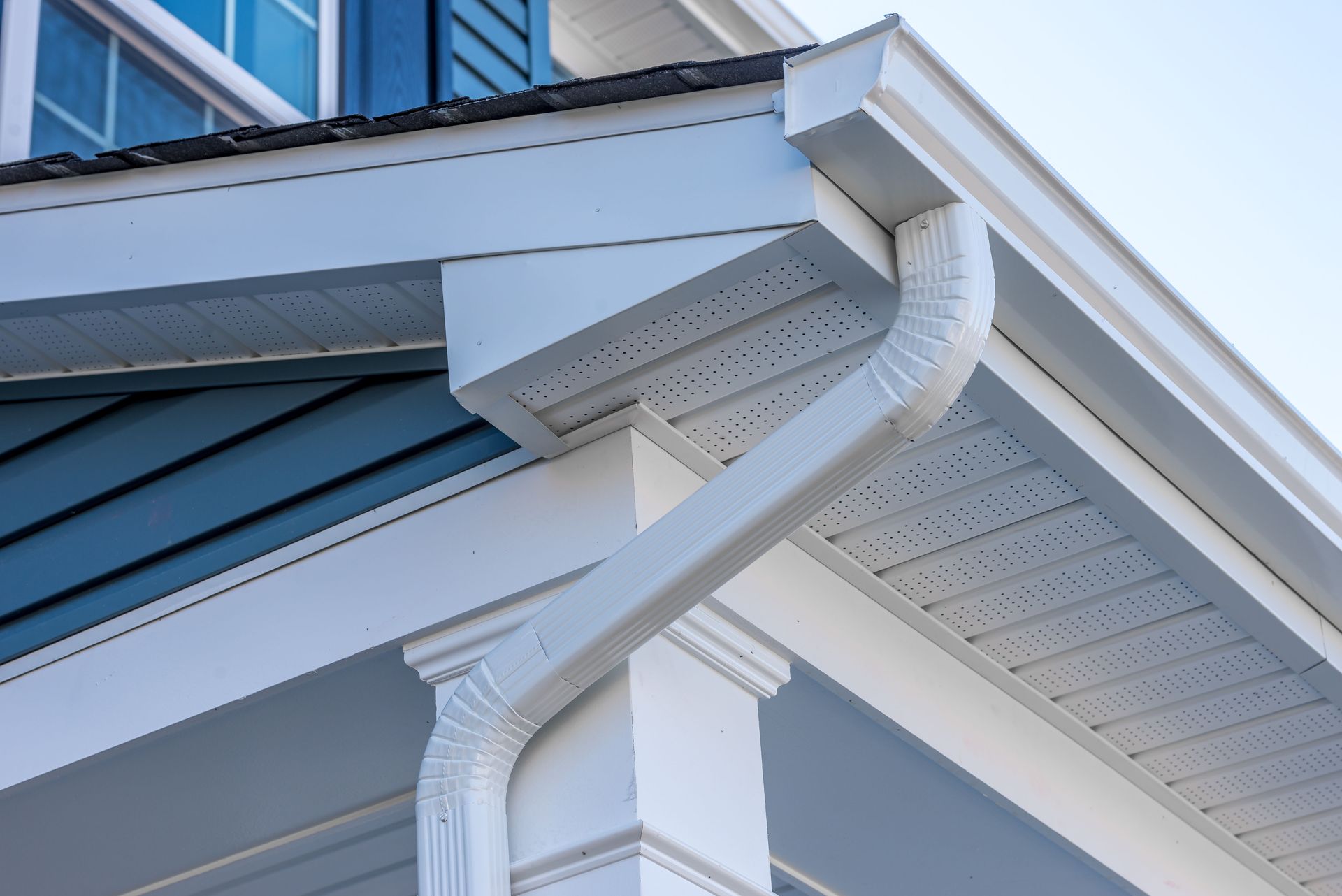
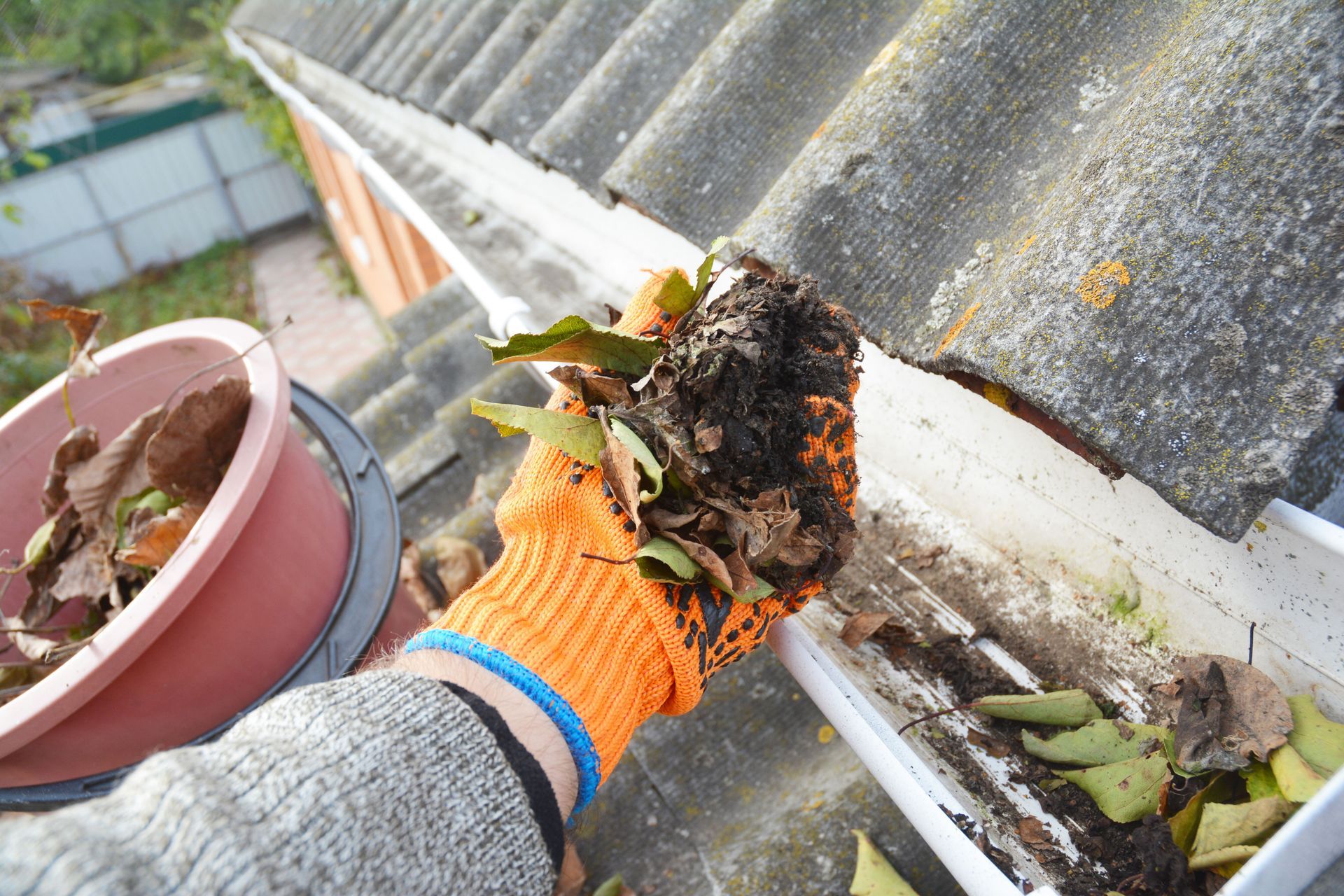
Clogged or damaged gutters prevent rain runoff from flowing away from the roofline safely. Backed-up water pools along the roof eaves, seeping under shingles and rotting the fascia boards. During winter months, clogged gutters contribute to destructive ice dam formation that forces water upward beneath roof sheathing. Maintaining clean gutters and installing seamless drainage systems guarantees efficient water diversion away from your home.
Addressing roof damage promptly preserves structural integrity, protects interior living spaces, and maintains home value. Ignoring minor leaks or missing shingles leads to cascading structural damage, rot, and health hazards from mold. Professional roofers possess the specialized tools, safety equipment, and expertise required to execute durable, code-compliant repairs. To protect your home with high-quality water diversion systems, contact Hansen Seamless Gutters.