November 12, 2026
A roof is one of the most important parts of a home's exterior, protecting the structure, belongings, and occupants from rain, wind, snow, and other weather conditions. However, even well-maintained roofs eventually experience wear and damage. When problems arise, homeowners often face an important decision: should they pay for another repair or invest in a complete roof replacement? While minor issues can often be addressed with targeted repairs, more extensive deterioration may make replacement the more practical long-term solution.
Knowing when to make this decision can help homeowners avoid unnecessary expenses and prevent small roofing problems from developing into larger structural concerns. Factors such as the roof's age, the extent of the damage, recurring leaks, and the condition of the underlying materials all play a role. Understanding these considerations can make it easier to determine when contacting roofing contractors for a replacement evaluation is worthwhile.
Recognizing When Roof Damage Is Extensive
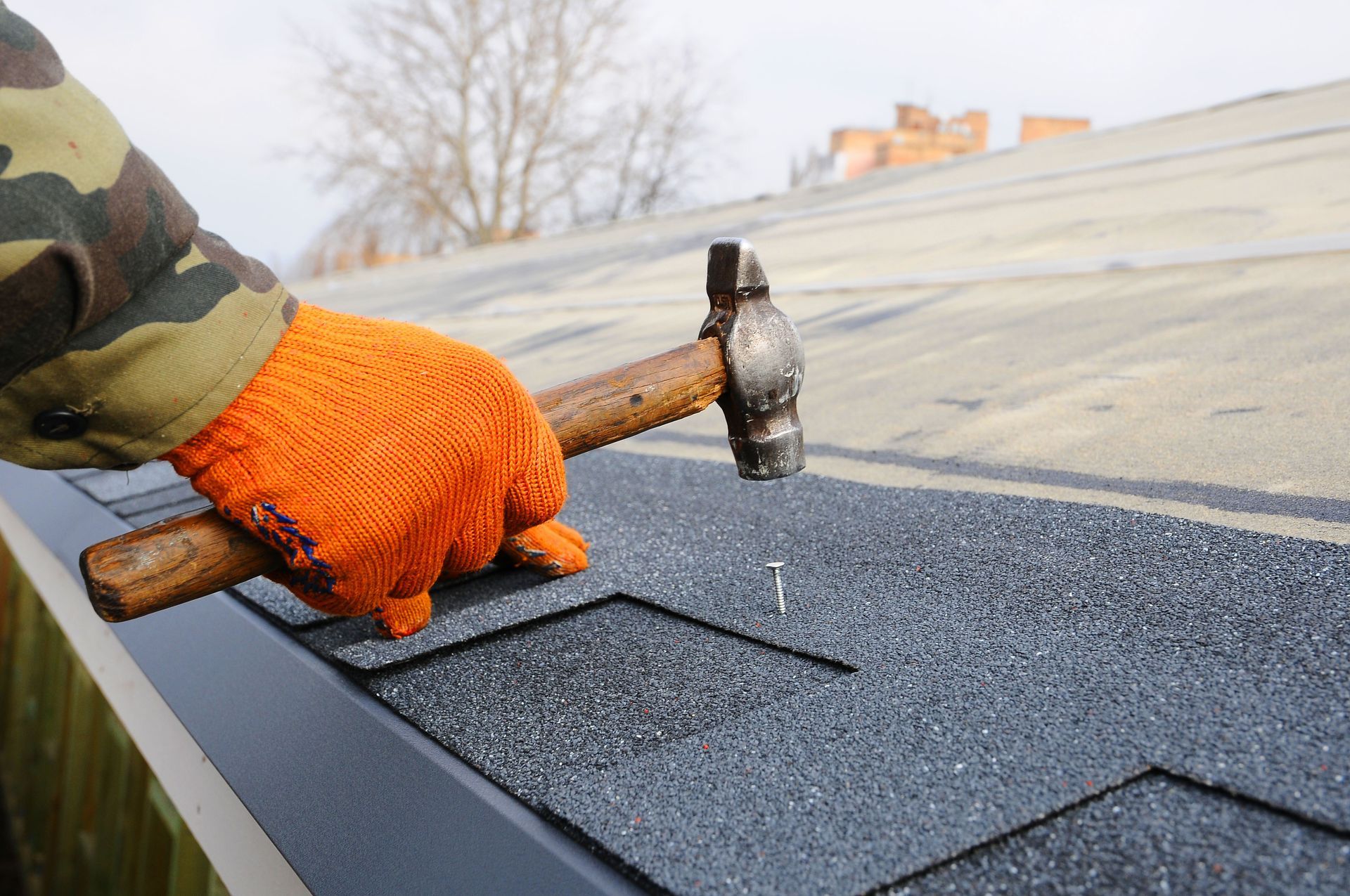
One of the first things to consider when deciding between repairs and replacement is how much of the roof has been damaged. A few missing shingles, a small leak, or isolated flashing damage may not require an entirely new roofing system. These problems can often be corrected by replacing individual components and addressing the source of the issue.
However, widespread damage presents a different situation. If shingles are deteriorating across multiple sections, large areas have sustained storm damage, or several parts of the roof are allowing water to enter, individual repairs may no longer provide a dependable solution. Replacing one damaged area will not necessarily address problems developing elsewhere.
Homeowners should also consider whether the roof deck or underlayment has experienced damage. These components provide important support and protection beneath the visible roofing materials. If moisture has reached the underlying structure, the necessary work may extend beyond replacing a few shingles.
Professional roofing contractors can inspect the entire roofing system to determine how widespread the damage is. An evaluation can help homeowners understand whether repairs will adequately address existing concerns or whether replacement would provide more complete protection.
Considering the Age of the Existing Roof
Roof age is another important factor when determining whether replacement makes more sense than repair. Different roofing materials have different expected lifespans, and even durable products eventually become more vulnerable to weather exposure and deterioration.
For example, traditional three-tab asphalt shingles generally last around 20 years, while architectural asphalt shingles can last approximately 30 years under favorable conditions. Metal, tile, and slate roofing systems may last considerably longer. However, maintenance, installation quality, ventilation, and local weather conditions can all influence how long a particular roof remains in good condition.
According to RubyHome, asphalt shingle roofs are the most widely used roofing type in the United States, accounting for about 80% of residential roofing projects. Because asphalt shingles are so common, many homeowners will eventually face the decision of whether to repair or replace this type of roofing system.
An aging roof does not automatically need replacement. If the materials remain in good condition and there are no significant underlying problems, a repair may still be sufficient. However, when a roof approaches the end of its expected lifespan, even relatively small problems can indicate that deterioration is becoming widespread.
Roofing contractors can assess the condition of older materials and help homeowners determine whether another repair is a reasonable investment or whether a replacement should be considered.
Evaluating the Cost of Repeated Repairs
The cost of repairing a roof is often one of the biggest considerations for homeowners. A minor repair may be considerably less expensive than replacing the entire roofing system. However, repeated repair expenses can eventually make replacement the more economical option.
For instance, a homeowner might initially pay to replace several missing shingles after a storm. A few months later, another leak develops in a different section, requiring additional work. If similar problems continue appearing, the combined cost of repairs can become substantial.
These recurring expenses are especially important when the roof is already nearing the end of its expected lifespan. Paying for several repairs over a short period may only temporarily delay a replacement that will eventually become necessary.
When comparing costs, homeowners should look beyond the immediate price of each option. Consider how much additional life a repair is expected to provide, whether other problems are likely to develop, and how much a complete replacement would cost.
Experienced roofing contractors can provide estimates for both options when appropriate. Having a clearer understanding of the potential costs and expected results makes it easier to compare short-term savings with long-term expenses.
Identifying Recurring Leaks and Water Damage
A roof's primary purpose is to keep water out of the home. When leaks become frequent or appear in multiple locations, they may indicate that the roofing system is no longer providing adequate protection.
A single leak does not necessarily mean an entire roof needs replacement. Damaged flashing, improperly sealed roof penetrations, or a small section of deteriorated shingles can sometimes be repaired without extensive work. However, repeated leaks deserve closer attention.
Water stains on ceilings, discoloration along interior walls, peeling paint, and damp insulation can all indicate moisture intrusion. Homeowners may also notice musty odors in the attic or visible signs of moisture along roof decking. These warning signs should not be ignored, even if the leak appears relatively minor.
If multiple leaks are occurring because of widespread material deterioration, replacement may offer a more reliable solution than continuing to patch individual areas. Roofing contractors can investigate the source of moisture problems and determine whether the existing system can still be effectively repaired.
Recognizing Widespread Shingle Deterioration
For homeowners with asphalt shingle roofs, the condition of individual shingles can provide useful information about the overall health of the roofing system. Shingles are designed to withstand years of exposure, but sunlight, temperature changes, wind, and precipitation gradually affect their condition.
Several visible warning signs may indicate that shingles are reaching the end of their useful lifespan. Curling edges, cracked surfaces, missing granules, and brittle materials can all suggest deterioration. Homeowners may also notice shingles becoming loose or losing their protective surface coating.
A few damaged shingles may be relatively easy to replace. However, if these conditions appear throughout the roof, replacing individual pieces may not address the underlying issue. New shingles installed alongside older, deteriorating materials can leave homeowners with an uneven roofing system that continues to require attention.
Another consideration is granule loss. Asphalt shingles contain protective granules that help shield the material from ultraviolet exposure. While some granule loss is normal as shingles age, excessive amounts collecting in gutters or near downspouts may indicate that the roofing materials are deteriorating.
When widespread deterioration is present, roofing contractors can evaluate whether the remaining shingles have enough useful life to justify repairs. If the entire system is showing signs of wear, replacement may be the more practical approach.
Understanding the Impact of Storm Damage
Severe weather can create roofing problems that require anything from minor repairs to complete replacement. High winds, hail, heavy rainfall, and falling tree branches can all affect a roof's ability to protect a home.
After a storm, homeowners should look for visible signs of damage, such as missing shingles, damaged flashing, displaced roofing materials, and debris accumulation. Hail can also create dents or impact marks that are not always easy to identify from the ground.
The extent of the damage is especially important when determining the appropriate solution. If a storm affects only a small section of the roof, repairing that area may restore its protective capabilities. However, widespread damage across multiple slopes may make replacement a better option.
Homeowners should also consider whether storm damage has affected the roof's underlying components. Water intrusion or structural damage can make a seemingly straightforward repair more complicated.
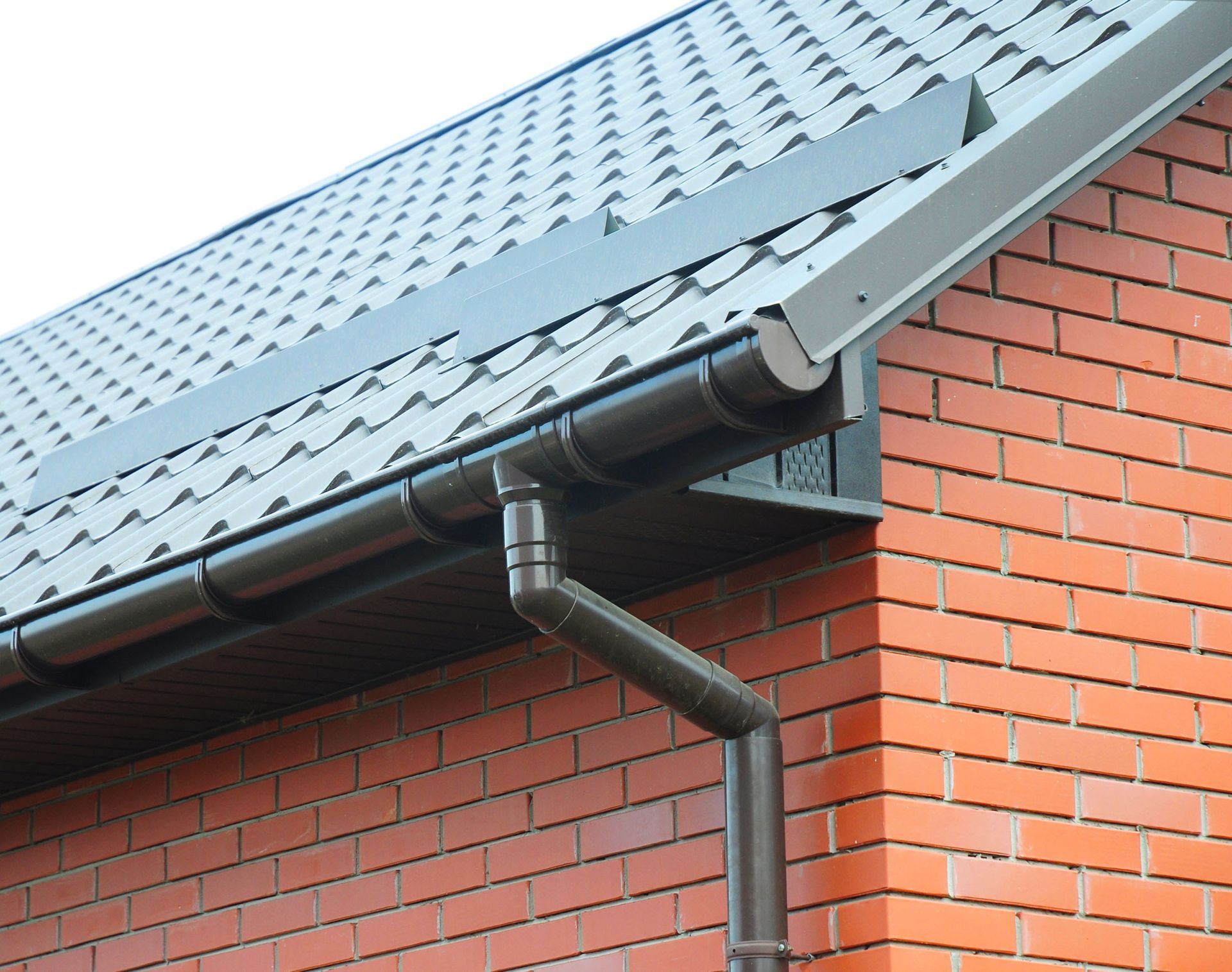
For homeowners who want to protect their properties, addressing roofing concerns promptly is essential. Maintaining both the roof and gutter system can help manage rainwater, reduce moisture problems, and preserve the home's exterior. With regular inspections and professional guidance, homeowners can make confident decisions that support their property's condition for years to come. For
roofing contractors you can rely on, contact Hansen Seamless Gutters, LLC today.