November 12, 2026
Replacing an aging roof is one of the most effective ways to improve a home's appearance, protect its structure, and potentially increase its market value. While landscaping and exterior painting contribute to curb appeal, roofing plays an equally important role in creating a positive first impression. A well-designed roof complements architectural features while providing essential protection against changing weather conditions. Working with experienced local roofers allows homeowners to explore materials, styles, and installation options that suit their property's needs. Understanding the financial, aesthetic, and practical benefits of roof replacement can help homeowners make confident improvement decisions.
Understanding Curb Appeal and Its Importance
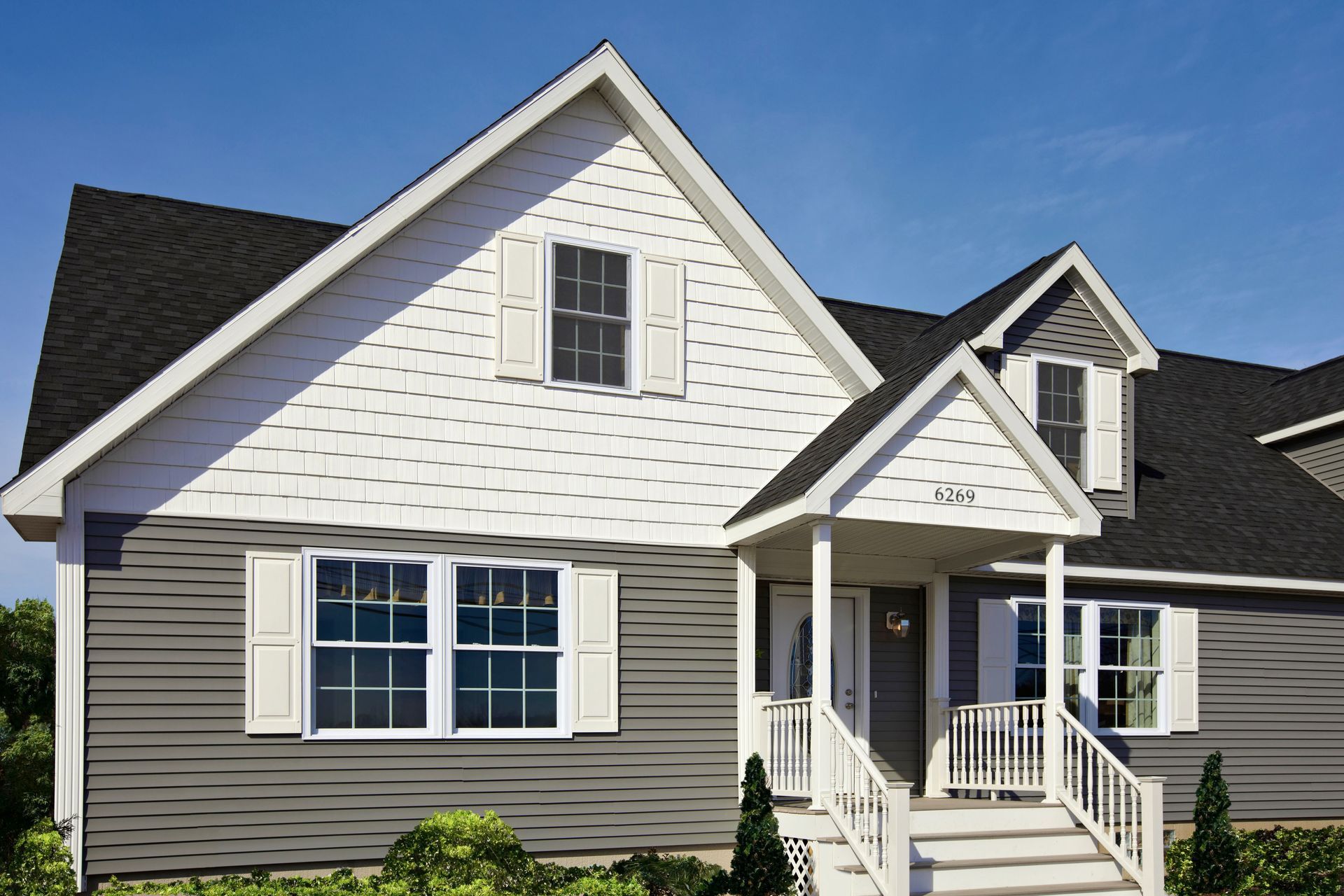
Curb appeal refers to the visual attractiveness of a property when viewed from the street. Landscaping, exterior colors, architectural details, and roofing materials all contribute to a home's overall presentation. Because roofs occupy a substantial portion of many homes' visible exteriors, their condition can significantly influence first impressions.
A deteriorating roof with missing shingles, discoloration, or visible damage may make an otherwise attractive property appear neglected. Conversely, a newly installed roof can create a polished appearance that complements siding, windows, and landscaping. Coordinating these exterior elements helps establish visual consistency and makes the property more inviting.
Prospective buyers frequently associate exterior maintenance with responsible homeownership. According to RubyHome, approximately 5 million new roofs are installed annually, demonstrating the importance of roofing improvements across residential properties. Although curb appeal does not guarantee a higher selling price, it can influence buyer interest and perceptions of property condition.
Evaluating the Financial Benefits of Roof Replacement
Installing a new roof requires a considerable financial investment, but the potential benefits extend beyond immediate appearance improvements. Modern roofing systems provide protection against moisture intrusion, weather damage, and premature structural deterioration. Replacing deteriorated materials can also reduce the likelihood of expensive repairs associated with persistent leaks.
Property value is another important consideration. Buyers may view a recently replaced roof as an advantage because it reduces concerns about immediate replacement expenses. However, the actual return on investment depends on housing market conditions, installation quality, material selection, and the property's overall condition.
Homeowners should consult local roofers when comparing replacement options and evaluating project costs. Detailed estimates can help determine which materials provide an appropriate balance between affordability, durability, and potential resale benefits.
Choosing Roofing Materials for Lasting Value
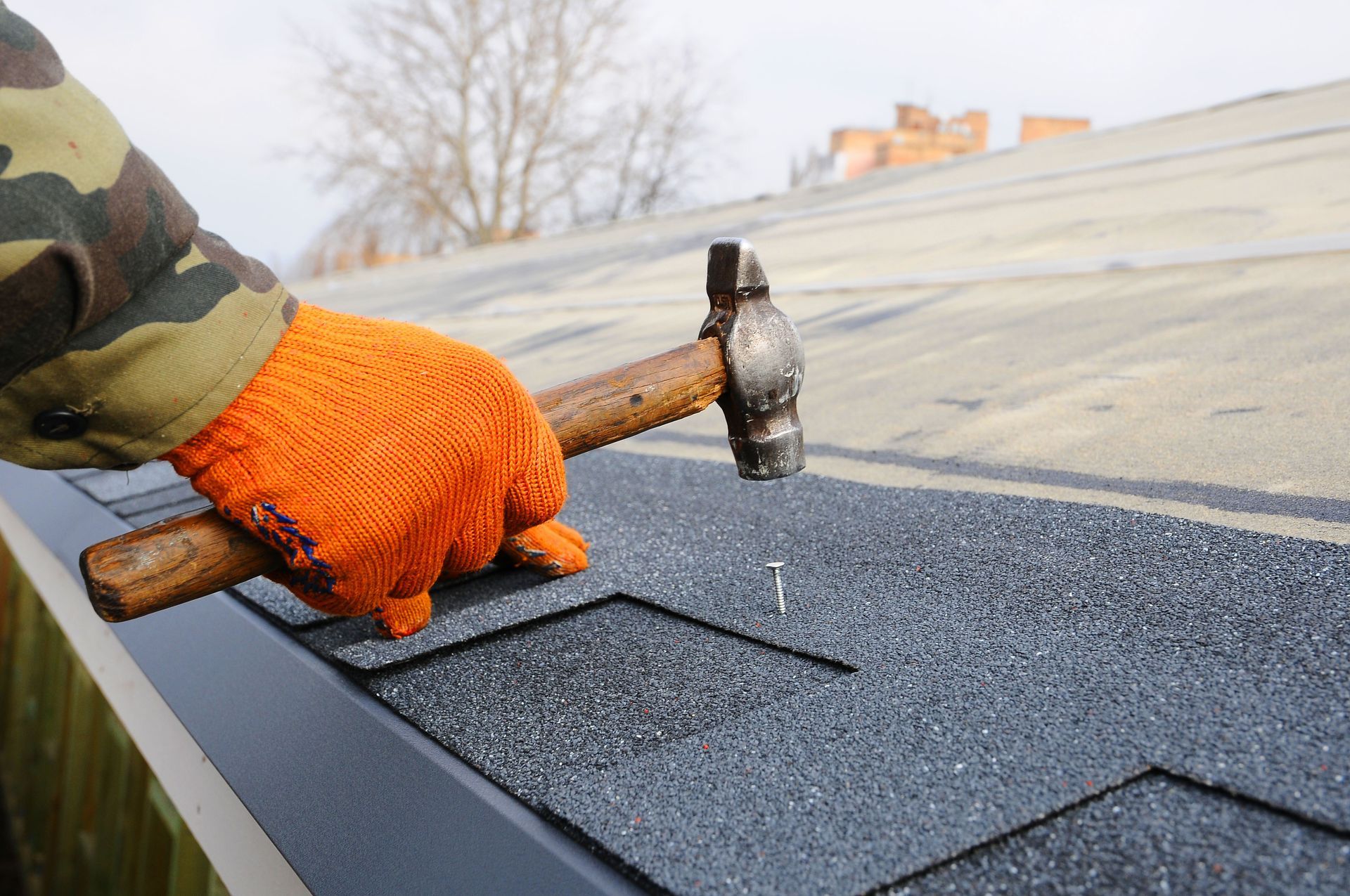
Roofing materials influence appearance, maintenance requirements, longevity, and installation expenses. Asphalt shingles remain a popular residential choice because they offer versatile designs and relatively affordable installation costs. Architectural shingles provide additional texture and dimensional appeal compared with traditional three-tab products.
Metal roofing offers another attractive option, particularly for homeowners interested in durability and distinctive architectural styles. Depending on the product and installation, metal systems can provide excellent resistance to wind, moisture, and environmental deterioration. Their reflective properties may also contribute to improved energy performance.
Slate, clay tile, and concrete tile provide distinctive appearances that complement certain architectural designs. However, their weight and installation requirements may necessitate structural evaluations. Homeowners should consider regional weather conditions, neighborhood aesthetics, and maintenance expectations before selecting materials.
Enhancing Exterior Appearance Through Roofing Design
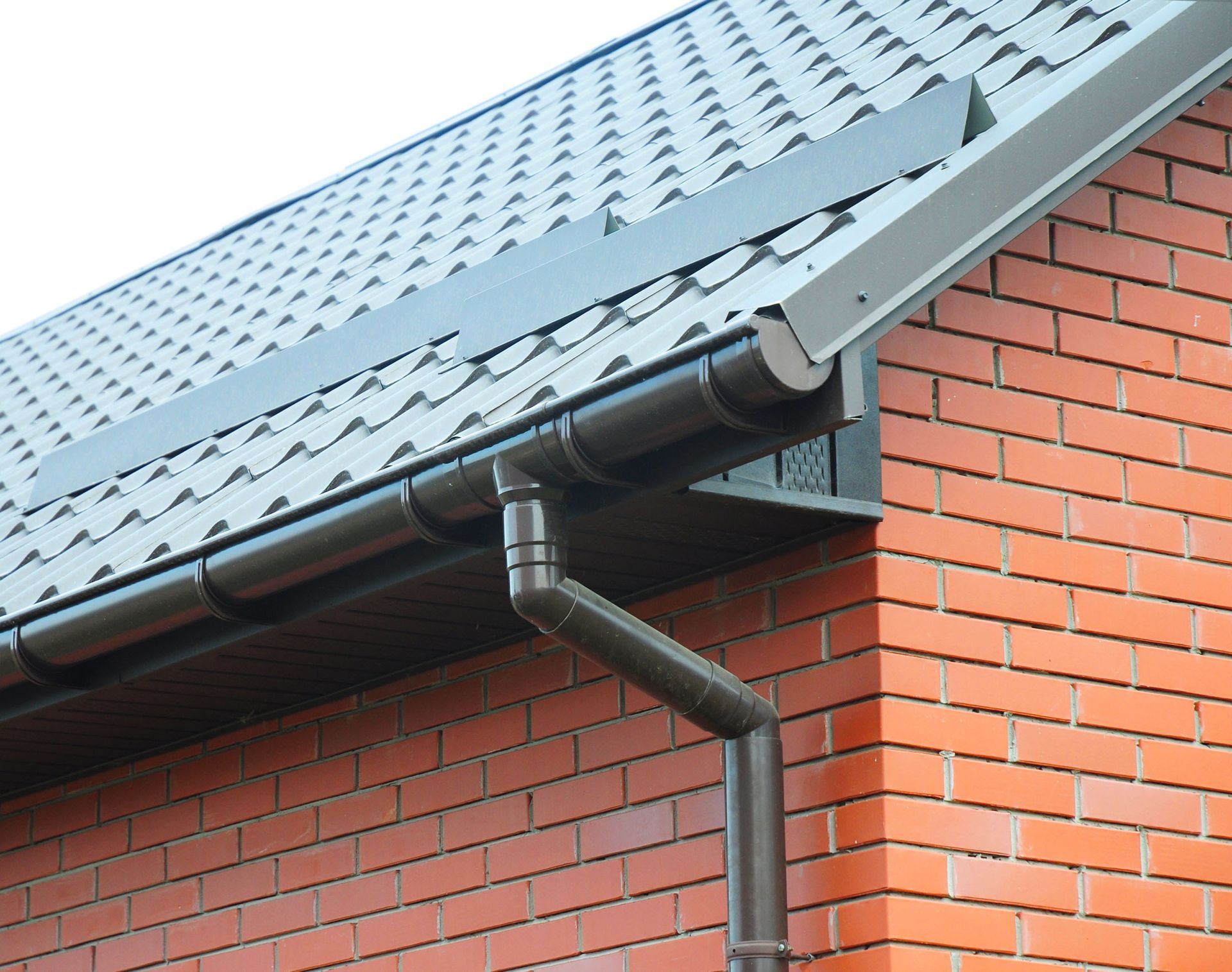
Roof color, texture, and style can dramatically change a home's visual character. Dark gray and black shingles often complement lighter siding, creating a sophisticated contrast. Brown and earth-toned materials can coordinate beautifully with brick, stone, and natural wood finishes.
Lighter roofing colors may create a brighter appearance while helping reflect sunlight when appropriate reflective products are selected. Homeowners should examine material samples under different lighting conditions before finalizing their decisions. Considering the surrounding landscape and neighboring properties can also help maintain architectural harmony.
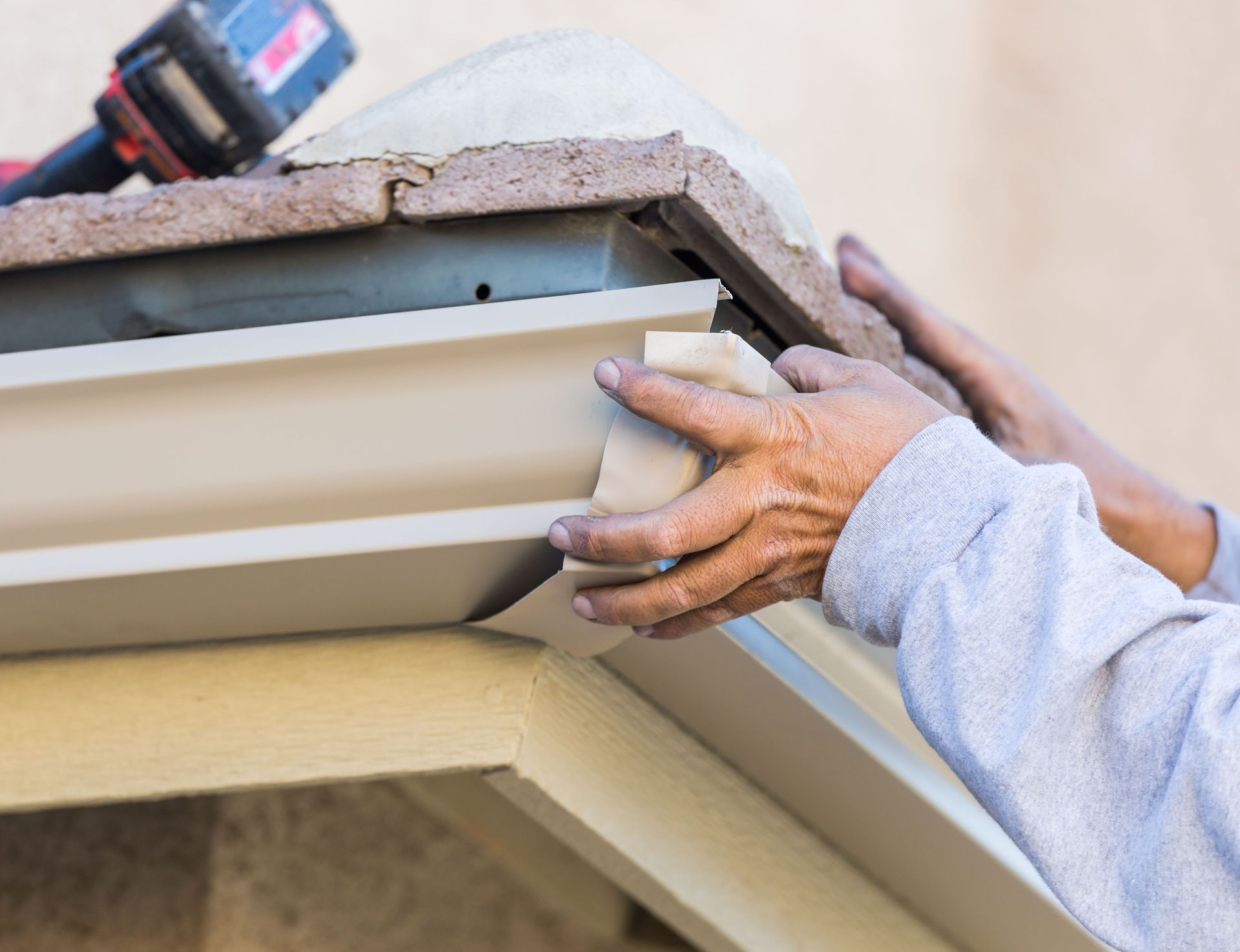
Experienced local roofers can recommend roofing profiles and color combinations that complement a property's existing design. Coordinating gutters, flashing, trim, and other visible components further strengthens the finished appearance. Thoughtful design choices help ensure that the replacement enhances the home's character rather than competing with its architectural features.
Improving Energy Efficiency With Modern Roofing Systems
Energy efficiency is an increasingly important consideration during residential improvements. Modern roofing systems can incorporate reflective surfaces, appropriate ventilation, and compatible insulation strategies to help manage indoor temperatures. These improvements may reduce heating and cooling demands when properly designed for the local climate.
Reflective roofing products can limit solar heat absorption, particularly in warmer regions. Meanwhile, balanced attic ventilation helps manage heat and moisture accumulation. Proper insulation and air sealing also contribute to consistent indoor comfort and improved energy performance.
Homeowners should remember that energy savings vary according to climate, roof design, insulation levels, and household energy consumption. Selecting suitable materials and ensuring professional installation can support better long-term performance without compromising weather protection.
Exploring Technological Advances in Roofing
Roofing technology continues to introduce improvements in durability, weather resistance, and environmental performance. Impact-resistant shingles are designed to withstand specified levels of impact, while advanced underlayment systems provide additional protection against moisture intrusion.
Some roofing products incorporate recycled materials or manufacturing processes intended to reduce environmental impacts. Solar-compatible roofing designs also allow homeowners to consider renewable energy installations when structural conditions and available sunlight are suitable.
Digital visualization tools make it easier to compare colors, textures, and roofing profiles before installation begins. Homeowners can also research product specifications, manufacturer warranties, and contractor reviews online. These resources support informed decisions and help establish realistic expectations for replacement projects.
Planning a Successful Roof Replacement Project
Careful planning is essential for achieving satisfactory roofing results. Homeowners should begin by arranging a professional inspection to evaluate existing materials, flashing, ventilation, and underlying structural conditions. This assessment helps identify potential complications before installation begins.
When selecting local roofers, homeowners should verify applicable licensing requirements, insurance coverage, professional experience, and customer references. Requesting written estimates from multiple contractors makes it easier to compare materials, labor costs, warranties, and proposed installation methods.
A comprehensive estimate should explain the scope of work, removal procedures, disposal arrangements, and potential additional expenses. Homeowners should also ask about permits, property protection, and cleanup responsibilities.
Project timelines depend on roof size, architectural complexity, material availability, and weather conditions. Clear communication with the contractor helps homeowners prepare for installation activities and minimize disruptions to everyday routines.
Understanding Roofing Warranties and Maintenance Requirements
Roofing warranties provide important information about product protection and installation responsibilities. Manufacturer warranties typically address specified material defects, while workmanship warranties may cover qualifying installation-related problems. Coverage periods, exclusions, and transferability vary considerably between providers.
Homeowners should review warranty documentation carefully and understand the maintenance requirements associated with their selected roofing system. Some warranties include specific conditions regarding inspections, repairs, or approved installation procedures.
Regular maintenance remains necessary even after a complete replacement. Clearing debris, maintaining gutters, checking flashing, and scheduling periodic inspections can help identify developing problems. Professional evaluations following severe storms are particularly useful for detecting damage that may not be visible from the ground.
Protecting Your Home Against Weather Damage
A properly installed roof forms an essential barrier against rain, wind, sunlight, and other environmental conditions. Modern roofing systems combine multiple protective components, including underlayment, flashing, ventilation, and exterior coverings. Each element contributes to overall weather resistance.
Regional climate conditions should influence material selection and installation techniques. Properties exposed to strong winds may benefit from products with appropriate wind-resistance ratings, while homes in areas experiencing heavy precipitation require effective drainage and waterproofing.
Replacing an outdated roof can improve curb appeal, strengthen weather protection, and support long-term property value. From selecting complementary materials to incorporating energy-efficient features, thoughtful roofing decisions provide both aesthetic and practical advantages. Careful budgeting, professional installation, and ongoing maintenance are essential for protecting this investment. By partnering with qualified local roofers, homeowners can achieve a roofing upgrade that enhances their property's appearance, functionality, and comfort for years to come. Contact Hansen Seamless Gutters, LLC today and learn more about our roofing services.