June 9, 2026
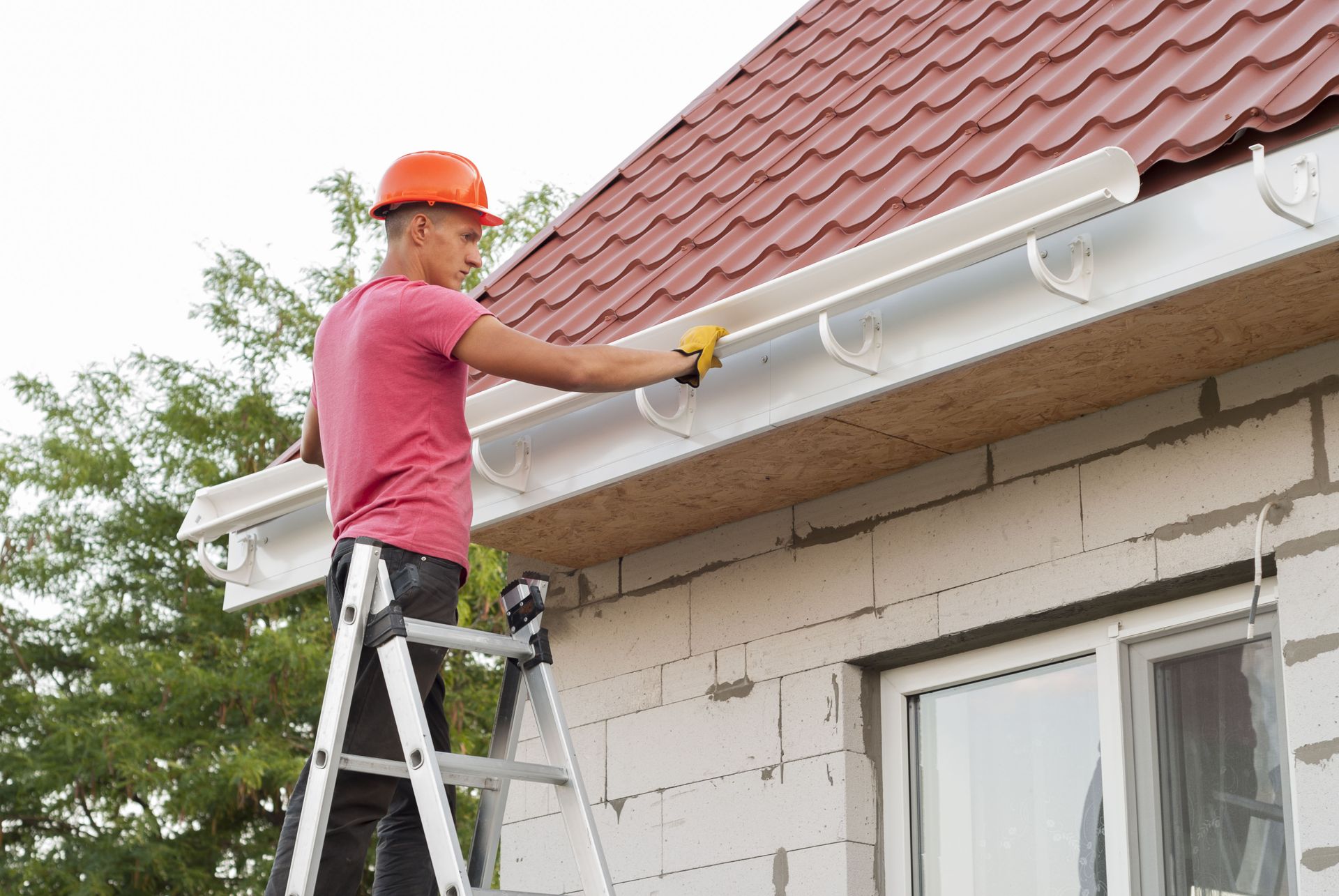
Hiring the right professionals to handle your home improvement projects is one of the most critical decisions you can make as a property owner. Your roofing and drainage systems work together to shield your foundation, siding, and landscaping from severe weather. When these systems begin to fail, finding a qualified gutter contractor becomes an urgent priority to prevent costly structural issues. Navigating the hiring process requires a strategic approach, as choosing an inexperienced team can lead to faulty installations that worsen your water runoff problems. By preparing a specific set of inquiries before signing a contract, you can accurately evaluate the expertise, reliability, and professionalism of the crews operating on your property.
Understanding the precise details of how a team operates ensures that your investment is fully protected and that the job is completed correctly the first time. Asking targeted questions allows you to weed out uninsured operations, identify hidden fees, and evaluate the quality of materials being used on your residence. This proactive vetting process gives you total peace of mind and establishes clear communication expectations between you and the crew from day one. Taking the time to interview potential candidates will save you from future headaches and ensure that your home remains safe, dry, and structurally sound for decades to come.
1. Are You Fully Licensed and Insured for This Type of Residential Work
Verifying the legal credentials and insurance coverage of a potential team is the most crucial step in the hiring process. A reputable gutter contractor will always carry comprehensive general liability insurance and workers' compensation policies to protect both their crew and your property. If an uninsured worker suffers an injury while installing your new system, you could potentially be held liable for medical expenses and lost wages as the property owner. Requesting physical copies of these certificates allows you to confirm that the policies are active and that the coverage limits are sufficient for residential construction.
Possessing the correct state and local business licenses demonstrates that a company operates legally and adheres to local building codes. Licensed professionals are familiar with the specific architectural requirements and environmental regulations in your region, which guarantees a compliant installation. Hiring an unlicensed entity might save money initially, but it often results in subpar craftsmanship and leaves you with zero legal recourse if the project goes awry. Always insist on seeing proof of licensing to ensure you are partnering with a legitimate business that stands behind its corporate responsibilities.
2. Can You Provide a List of Recent Local References From Past Clients
Speaking directly with past clients provides invaluable insight into the daily operational habits and overall reliability of a team. A seasoned gutter contractor should gladly offer a list of references from projects completed within your local area over the past year. Contacting these homeowners allows you to ask about the punctuality of the crew, their cleanliness during the project, and how well they handled any unexpected challenges. Hearing firsthand accounts of customer satisfaction gives you a realistic preview of the experience you can expect during your own installation.
Examining completed projects in your immediate geographic area also allows you to see how the materials hold up against local weather patterns. You can ask references if the drainage systems have performed well during heavy downpours and if the company honored their scheduling commitments. If a company hesitates to provide references or offers outdated contacts, it may indicate a lack of consistent customer satisfaction or limited experience in the field. Gathering this feedback ensures that you are selecting a team with a proven track record of excellence in your community.
3. What Specific Types of Materials and Manufacturing Methods Do You Utilize
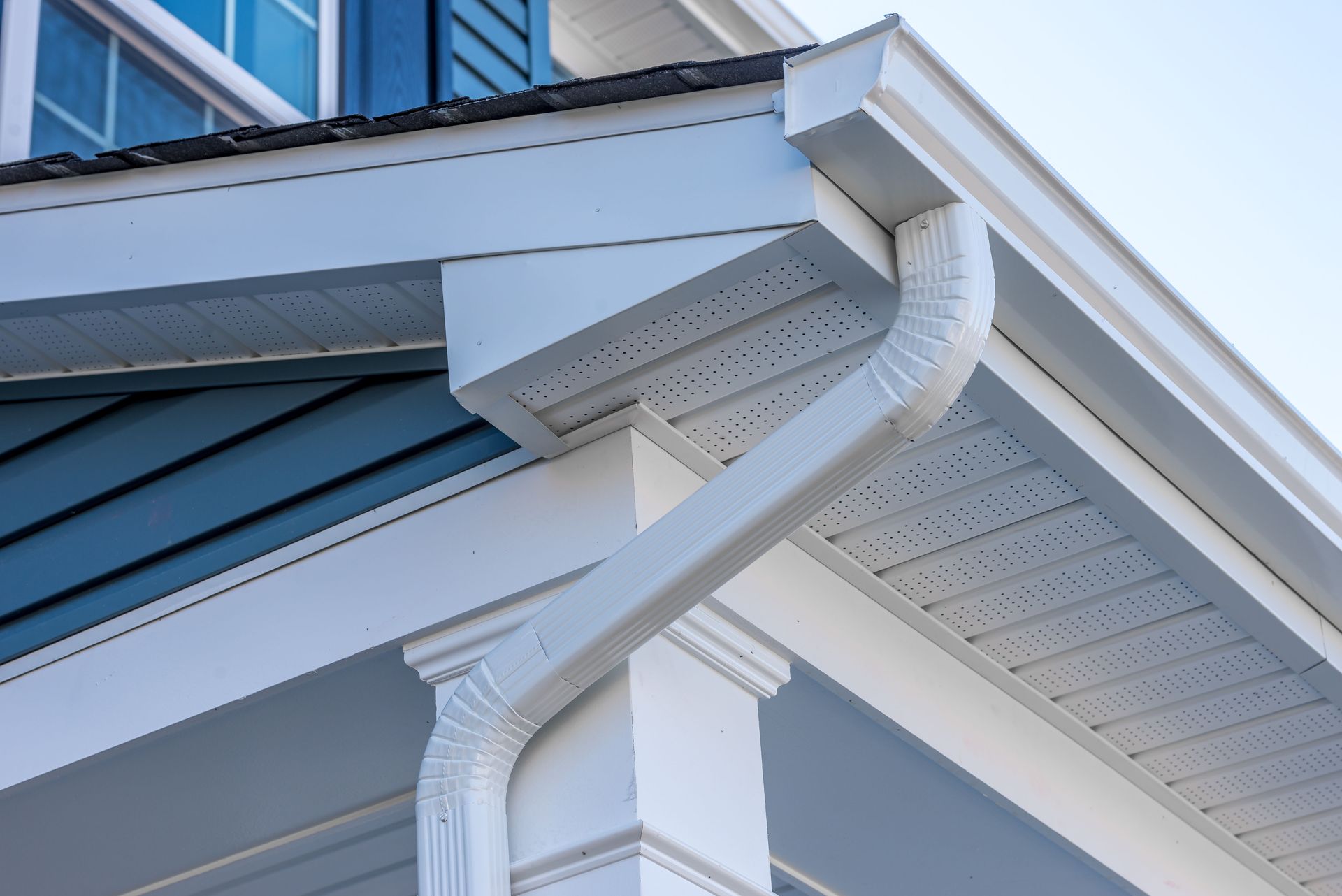
The longevity and performance of your drainage system depend heavily on the quality of the metals and the installation techniques employed by the crew. A knowledgeable gutter contractor will explain the differences between seamless aluminum, copper, and steel options, helping you select the ideal material for your budget and architectural style. Seamless systems are typically fabricated directly on-site using specialized machinery, which eliminates the seams where leaks commonly develop over time. Understanding the gauge or thickness of the metal is also vital, as thicker materials resist denting from ladders and heavy snow loads much better than thinner alternatives.
Inquire about the fastening systems and brackets used to secure the troughs to your roofline, as these components prevent sagging and pulling away from the fascia boards. According to Home Advisor, gutters may need to be replaced every 20 years to maintain proper drainage and prevent water damage. Achieving this maximum lifespan requires high-grade hangers placed at proper intervals to withstand severe wind and ice accumulation. Discussing these material details beforehand ensures that you receive a durable system designed to protect your home from moisture intrusion for two decades.
4. How Do You Determine the Correct Sizing and Placement for the Drainage System
Designing an effective water management system requires precise calculations based on the surface area and pitch of your roof. An expert gutter contractor will carefully measure your roofline to determine whether standard configurations or larger commercial sizes are necessary to handle heavy rainfall. If the troughs are too small, water will consistently overflow during intense storms, leading to wood rot along your eaves and erosion around your foundation. Proper pitch is equally critical, as the troughs must slope subtly toward the downspouts to ensure that water flows continuously without pooling in the middle of a run.
Downspout placement is another critical factor that requires strategic planning to avoid pooling water near your basement walls. The crew must calculate the exact number of downspouts needed to drain the troughs efficiently without overwhelming any single exit point. They should also discuss where the water will discharge, utilizing extensions or underground drains to direct moisture completely away from your foundational footprint. Asking about these technical calculations ensures that your system is custom-engineered for the specific layout and weather demands of your property.
5. Do You Provide a Written Warranty Covering Both Materials and Labor
Securing a comprehensive written warranty is essential for protecting your financial investment against material defects and installation errors. A professional gutter contractor should offer two distinct types of coverage: a manufacturer's warranty on the actual metals and a separate workmanship warranty provided by the installation company. The manufacturer's warranty guarantees that the paint finish will not chip, peel, or fade prematurely under normal weather conditions. The workmanship warranty ensures that if a leak or sagging issue develops due to incorrect installation, the company will return to fix the problem at no additional cost to you.
Having these agreements explicitly detailed in a written contract prevents misunderstandings and establishes accountability after the project is finalized. Verbal promises offer no protection if a system begins to leak during the first heavy rainstorm after the crew departs. Be sure to ask about the duration of the workmanship coverage and the specific process for filing a claim if issues arise. A company that stands firmly behind its labor with a multi-year warranty demonstrates total confidence in the skills and training of its field technicians.
Maintaining a functional drainage system is an essential aspect of homeownership that protects your property from severe foundational erosion and water intrusion. Investing time into interviewing a professional gutter contractor ensures that your new system is engineered correctly, constructed from premium materials, and installed with expert precision. By asking the right questions regarding licensing, materials, warranties, and cleanup procedures, you can make an educated hiring decision with total confidence. Do not wait for the next heavy rainstorm to discover that your drainage system is failing to protect your roofline and foundation. To receive an accurate evaluation of your home or to schedule a professional installation with a trusted local expert, contact Mike Hansen Roofing today.